


The Carat Weight of Your Diamond
A clear, expert guide from the Monroe Yorke Diamonds team.
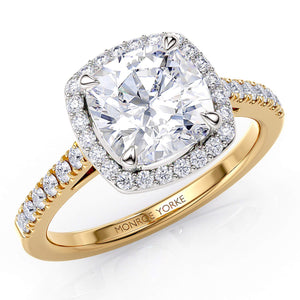
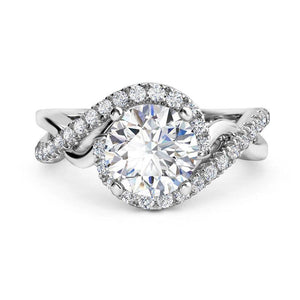
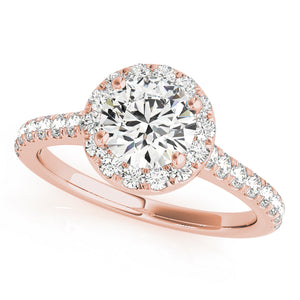
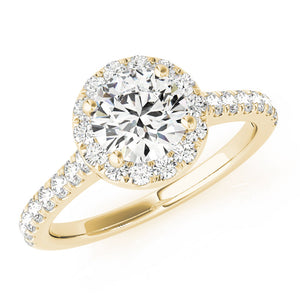
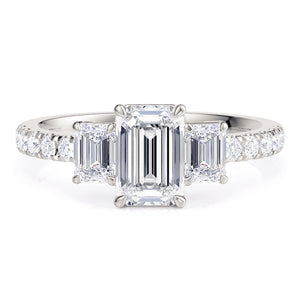
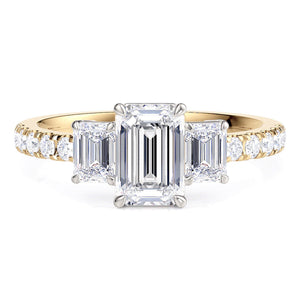
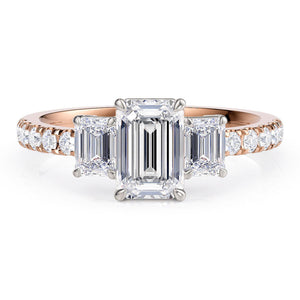
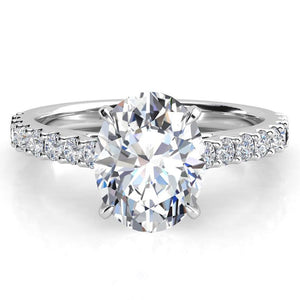
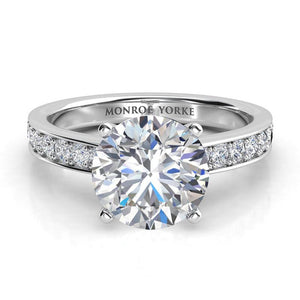
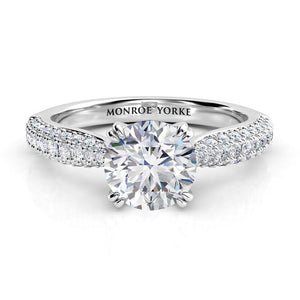
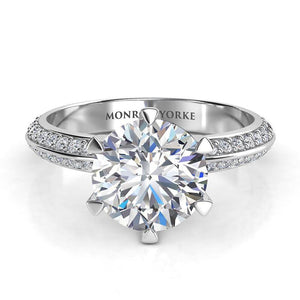

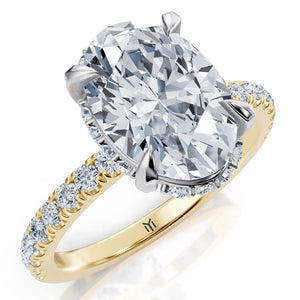
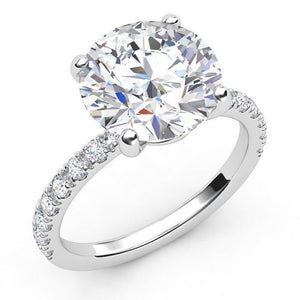
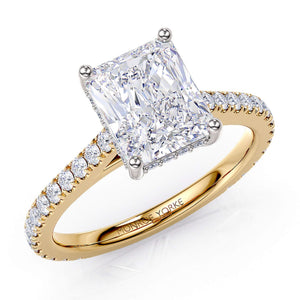
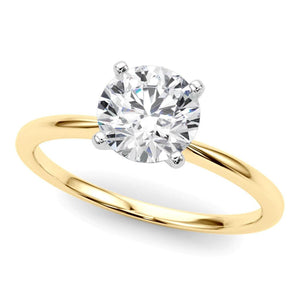
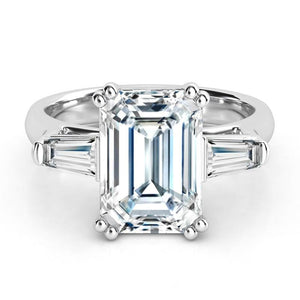
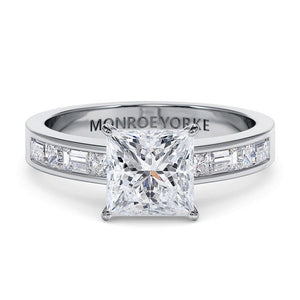

Diamonds and other gemstones are measured in carats — a word derived from "carob", meaning seed, the first measuring unit used by early diamond traders. One carat equals 200 milligrams of weight. Carat weight is the fourth of the 4Cs in the Monroe Yorke Diamonds diamond education series.
The term "carat" is often abbreviated to "ct" and refers to the weight of a single diamond. "Carat TW", or "ct TW", refers to total carat weight — used for the combined weight of several diamonds presented together in one piece of jewellery. (The similar-sounding word "caratage" is an expression of purity for gold.) Below is a diagram of how carat weight is expressed:
The term "carat weight" is also used for other gemstones, such as pearls and fancy coloured diamonds. Gems of similar weight are not always the same size because — by virtue of their unique qualities — gemstones have different densities. So, to be clear:
- Carat weight does not, in itself, determine the size of a diamond.
- Carat weight should be considered alongside cut, colour and clarity when determining a diamond's value.
To compare size and weight, see our Diamond Size Comparison Chart further down this page.
Monroe Yorke Diamonds Diamond Size Comparison Chart
As you would expect, the larger a diamond's carat weight, the higher the price — but the price you pay is also shaped by those other important factors, the 4Cs displayed on the GIA or HRD diamond grading report.
If size matters to you, carat weight will be the grading you are most interested in. As carat size increases, so does the price — and even among larger, more expensive diamonds there is a real differential in quality. Fewer than one in a million rough diamonds is large enough to produce a finished, polished diamond weighing one carat.
A diamond's carat weight is not priced simply per unit of weight, either — the price per carat itself also rises as the diamond gets larger.
Diamonds should always be viewed from above, and their measurements taken into account, as cut proportions vary. The length and width of a diamond is an important indication of how it will look face-up. The diagram below explains this in more detail:
A diamond cut with greater depth carries more of its weight in that depth, which results in a smaller diameter. Although the differences between diamonds can be small on the overall scale, they are noticeable — even to the naked eye.
The shape of the diamond — round, cushion, emerald or heart — is also paramount to its apparent size and how its carat weight reads on the hand.
Different diamond shapes should not be compared directly when assessing size. A 1.00 carat round diamond may look smaller than a 1.00 carat marquise, for example. Every diamond should be assessed for its own unique qualities. For advice on carat weight, call Monroe Yorke Diamonds on 1800 766 567 and speak with one of our diamond specialists — or browse our engagement ring collection to see how different carat weights look in a finished ring.
Compare diamond sizes here:

How to Maximise Your Budget with Carat Weight
As your personal jeweller, we believe the most important part of our role is helping you find the best possible value for your budget. When it comes to carat weight, there are two strategies that savvy buyers use to get a visually stunning diamond without overspending.
First, consider a lab-grown diamond. Because the creation process is more efficient, a lab-grown diamond can be 60–80% more affordable than a natural diamond of the exact same quality. For the same budget, you can often choose a lab-grown diamond ring with a significantly larger carat weight — a bigger, more impressive stone, with no compromise on cut, colour or clarity.

Second, avoid the "magic numbers". In the diamond trade, prices jump at certain popular carat weights — 1.00ct, 1.50ct and 2.00ct. A diamond weighing exactly 1.00 carat costs noticeably more than one weighing 0.95 carats, even though the difference in size is nearly impossible to see with the naked eye. By choosing a diamond just shy of these magic numbers, you can make a real saving on a stone that looks virtually identical. It is one of the best ways to maximise the presence of your ring within your budget.

Carat Weight in Lab-Grown vs Natural Diamonds
For many buyers, carat weight is a top priority — and this is where the choice between a natural and a lab-grown diamond matters most.
The main difference is value. Because lab-grown diamonds are created with advanced technology in a matter of months, they cost substantially less than natural diamonds, which form over billions of years and require extensive mining. Australian buyers can typically expect a lab-grown diamond to be 60–80% more affordable than a natural diamond of the same size and quality.
That difference gives you options. You can prioritise a larger carat weight — securing a bigger, more impressive diamond — without compromising on cut, colour or clarity. A budget that might afford a beautiful 1-carat natural diamond could instead secure a stunning 2.00 or even 3-carat lab-grown diamond of exceptional quality.
It is worth remembering that this choice is about origin, not quality. A lab-grown diamond is physically, chemically and optically identical to a natural one, with the same fire, brilliance and durability. The decision comes down to what you value most: the timeless rarity of a natural stone, or the modern value and impressive size of a lab-grown diamond. You can explore both in our engagement ring and lab-grown diamond ring collections.
Frequently asked questions about carat weight
Not always. Carat is a measure of a diamond's weight, not its visual size. A diamond's shape and — most importantly — its cut quality play a huge role in how large it appears. An expertly cut diamond reflects more light and can look larger and more brilliant than a poorly cut diamond of the same carat weight. It is why we are uncompromising on cut: every Monroe Yorke signature natural diamond is GIA-certified with an "Excellent" cut, and every signature lab-grown diamond is IGI-certified with an "Ideal" cut — ideal proportions for maximum light, so the diamond is visibly brighter, more radiant and full of life.
It varies with personal preference and budget, but the most popular range is typically 0.50 to 1.20 carats for natural diamonds, and 1.00 to 3.00 carats for lab-grown diamonds.
Consider a lab-grown diamond, which offers more carat weight for the price. Choosing a diamond just under a popular weight (0.90ct instead of 1.00ct) also helps, and an elongated shape such as oval or marquise can create the illusion of a larger stone.
Written & reviewed by the Monroe Yorke Diamonds team
We have spent 20 years helping Australians choose diamonds, with appointment-only studios in Sydney, Melbourne, Brisbane and Perth.
Frequently asked questions
Ready to find your ring?
Browse the collection, or book a private appointment and let our specialists guide you.

22 Sep 2025
The Strategic Purchase: Choosing Between a Loose Diamond and a Pre-Set Ring
The Strategic Purchase: Choosing Between a Loose Diamond and a Pre-Set Ring Choosing the perfect engagement ring is a deeply...

22 Sep 2025
The Definitive Guide to Lab-Grown Diamonds
The world of diamonds is evolving, and lab-grown diamonds are at the forefront of this new era of conscious luxury....
 Lab Grown Diamonds
22 Sep 2025
A Comprehensive Guide to Laboratory-Grown Diamonds - your ultimate resource for making informed diamond purchasing decisions.
Laboratory-grown diamonds are rapidly gaining recognition as a sustainable, ethical, and affordable alternative to natural diamonds. Their production process is...


