


Diamond Setting Types and Engagement Ring Settings
A clear, expert guide from the Monroe Yorke Diamonds team.
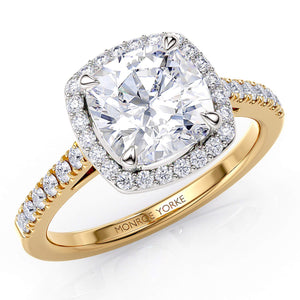
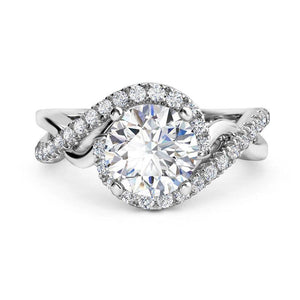
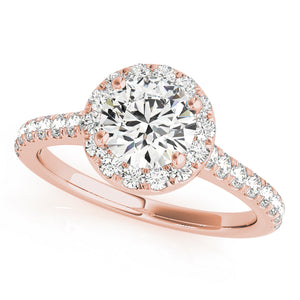
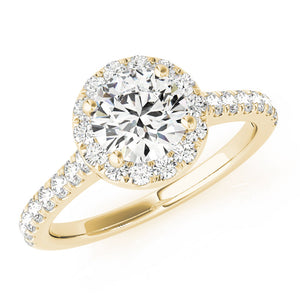
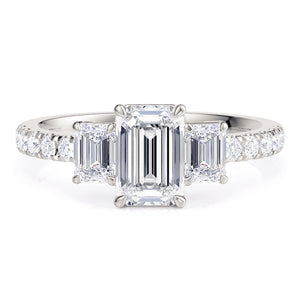
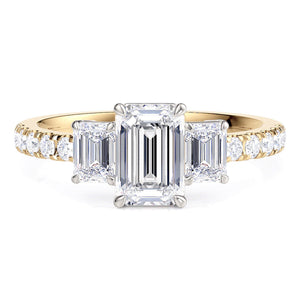
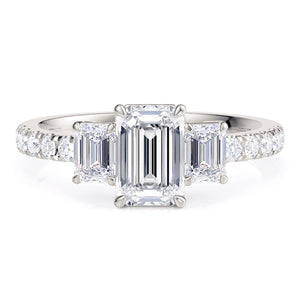
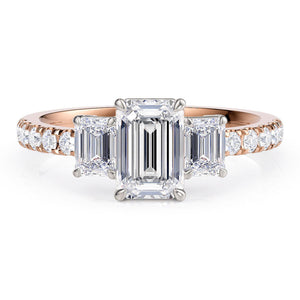
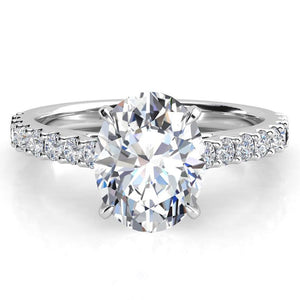
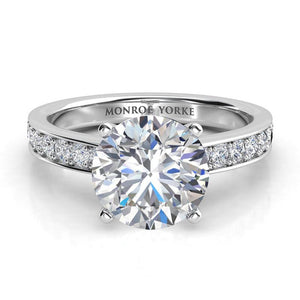
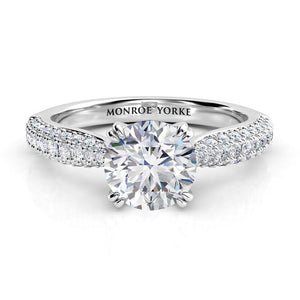
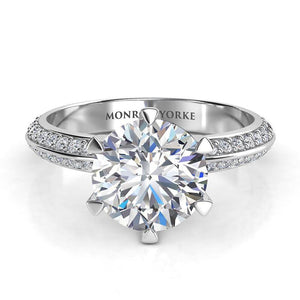
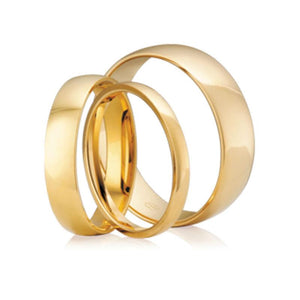
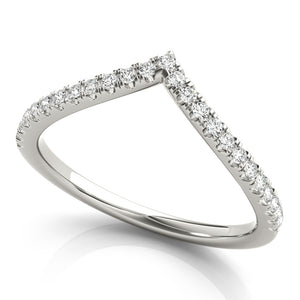
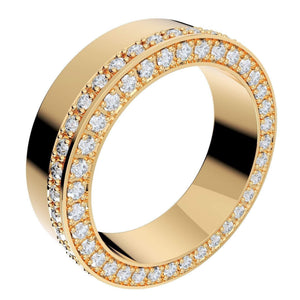

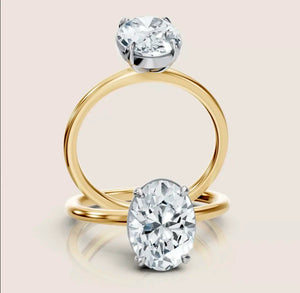
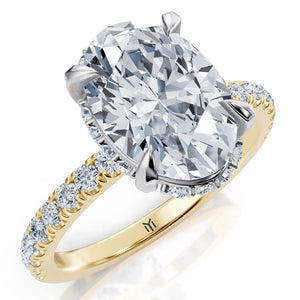
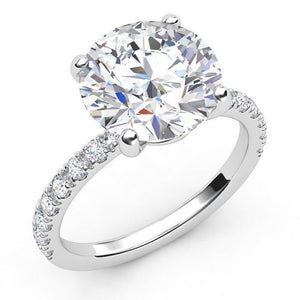
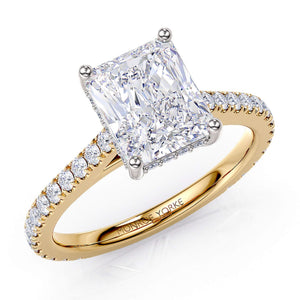
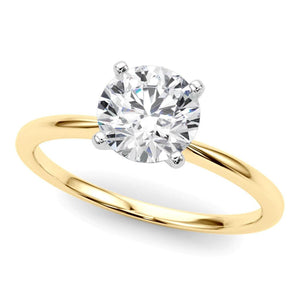
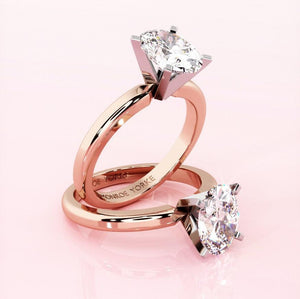
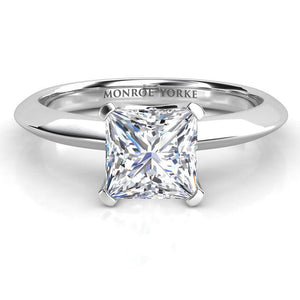
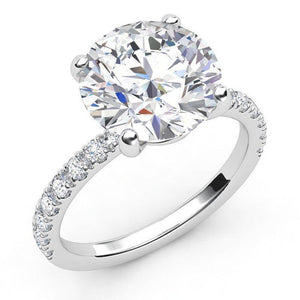
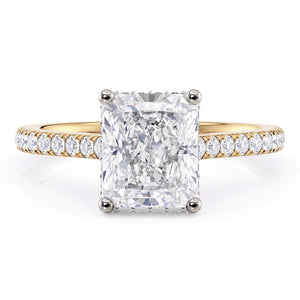
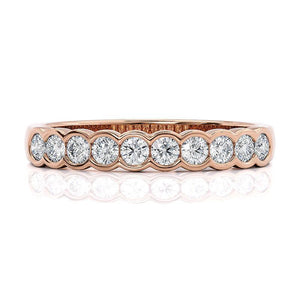
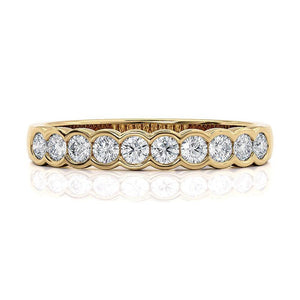
An engagement ring or diamond ring consists of two parts: the band (or shank) that encircles the finger, and the main setting (or head) that holds the centre gemstone in place. The main setting can be a claw (prong) setting, a bezel setting or a tension setting.
The shank can be plain, or set with small diamonds held in hollows, grooves or channels. Small diamonds set into the band can be channel set, claw set, pavé or bead set, or gypsy set.
Below we explain each of the main diamond setting types — and where to see each one in our collections.
View our entire collection of engagement rings with natural diamonds · View our engagement rings with lab-grown diamonds
The claw (prong) setting
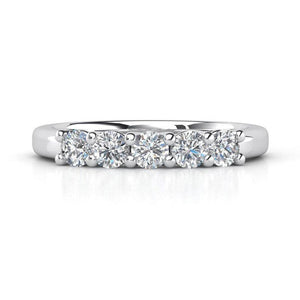
One of the most popular settings for engagement rings is the claw setting, also known as the prong setting. Depending on the shape and style of diamond chosen, a setting like this can have anywhere from two to eight claws.
A four-claw setting is often used in contemporary designs for an up-to-date look; a princess-cut diamond is frequently set in four claws. For a more vintage or traditional style, a six-claw (or six-prong) setting is favoured. For a larger diamond, an eight-claw setting gives greater security. The prongs themselves can be crafted into various shapes, but rounded ends are often preferred, as they are less likely to damage — or be damaged.
Because the claw setting lifts the diamond up to the light, it suits a classic solitaire beautifully. See it in our solitaire engagement rings.
 |
|


The bezel setting
This setting has become very popular for its contemporary appeal. The bezel — also known as the rub-over setting — completely encloses the stone within a rim of metal. The metal, whether gold or platinum, sits level with the top of the diamond, creating a smooth, clean profile. It is one of the most secure settings of all, and can be customised: for a distinctive look, small segments of the bezel can be removed to reveal more of the stone.
For a diamond cut to a high standard, the bezel does not prevent the stone from sparkling — it should not reduce its beauty in any way. For coloured gemstones, the bezel offers extra protection, guarding the girdle and pavilion against chips and scratches, and giving the wearer added confidence.
The bezel's low, protective profile makes it a favourite for everyday wear. Explore it across our engagement ring collection.
|
|
|
|
Half Rub-Over Setting |
|


The halo setting
Designed to enhance the centre diamond — and to make it look larger — the halo setting places one or two rows of small diamonds very close to the centre stone, following its contours.
A hidden halo takes the idea a step further: the halo is set to the side of, or beneath, the main diamond, around its girdle. It is not visible from above, only from the side — a beautiful, subtle detail.
A halo is one of the most effective ways to add sparkle and presence. See the full range in our halo engagement rings.
|
|
|
|
|
|


Hidden Halo of Diamonds
The above image shows a "Hidden Halo" of diamonds. The halo is set to the side or under the main diamond, around the girdle of the diamond. This is referred to as a hidden halo as it is not visible from the top, it is only visible from the side. This is a stunning setting style.

The pavé setting
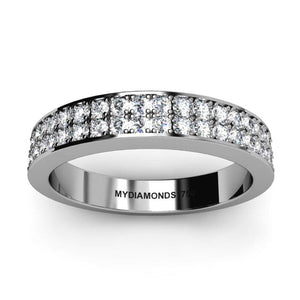
The pavé setting is one of the most glamorous ways to set a ring. Also known as the bead setting, it uses tiny beads of the chosen metal — gold or platinum — to hold a number of small diamonds in place, creating a continuous sweep of sparkle. "Pavé" means "paved", and the term is used when several rows of small diamonds run through the setting of the ring.
For that paved-with-diamonds look along the band, see our engagement rings with side diamonds.
|
|
|


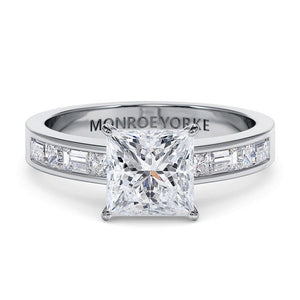
The channel setting
This beautiful setting is a wonderful way to show diamonds at their most exquisite. It is often chosen for wedding rings set with diamonds, for the shoulders of a ring where maximum sparkle is wanted, and for eternity rings.
The diamonds within a channel setting must all be the same size. They are placed neatly, close together, in a channel of platinum or gold, creating an unbroken sweep of sparkle. For security, each stone sits in a tiny bay cut into both sides of the channel. The baguette-cut diamond is particularly effective in a channel setting.
Channel settings are at their best in wedding rings and eternity rings.
|
|
|


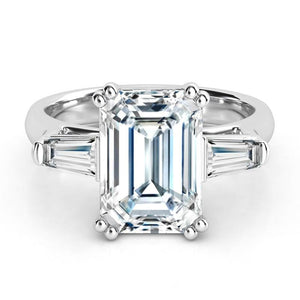
The three-stone (trilogy) ring
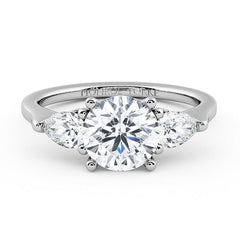
Another very popular style — you may remember that Meghan Markle's engagement ring is a three-stone ring. A trilogy ring typically has a larger centre stone flanked by two smaller, matching stones. The stones can be claw set or bezel set, and the three are often said to represent a couple's past, present and future.
See the style in our three-stone engagement rings.
|
|
Setting Type - Three Stone Ring, Emerald Cut Diamond Trilogy Ring |

The gypsy setting
Also known as a flush mount, this setting is often used for fancy diamond shapes. The stone is set within the metal so that it does not protrude above the surface of the ring — only the crown is visible. The metal is cut so the diamond can be placed into the recess before polishing, and patterns are sometimes worked into the metal around the stone, such as a star pattern.

The tension setting
This is a very contemporary way to set a stone — generally into platinum, considered the best metal for the job. The setting is designed so that light penetration is maximised, giving the diamond a "suspended" quality. The pressure of the metal on the stone holds it securely in place.

Setting Style - Tension Setting
Not sure which setting is right? Our specialists will guide you through them at a private appointment — or browse the full engagement ring collection to compare.
Frequently asked questions about ring settings
The bezel setting is generally the most secure, because a rim of metal fully encloses the stone. Channel settings protect smaller stones well too. Claw settings are very secure when the right number of prongs is used — more claws, or sturdier ones, for larger diamonds.
Lower-profile settings like the bezel sit close to the finger and are less likely to catch on clothing, which makes them practical for daily wear. Halo and pavé rings wear well too. If you choose a high claw setting, our jewellers can recommend prong shapes that reduce snagging.
The halo setting is the most effective — a ring of small diamonds around the centre stone makes the whole setting read larger. A slim band and a bezel close in colour to the diamond can also enhance the sense of size.
Yes. Every setting on this page works equally well with a natural or a lab-grown diamond — the choice of setting and the choice of stone are completely independent.
Written & reviewed by the Monroe Yorke Diamonds team
We have spent 20 years helping Australians choose diamonds, with appointment-only studios in Sydney, Melbourne, Brisbane and Perth.
Frequently asked questions
Ready to find your ring?
Browse the collection, or book a private appointment and let our specialists guide you.
 Buying Guide
03 Jun 2026
Diamond Quality Facts
Every diamond is unique. This is a beautiful fact about the most exquisite mineral in the world. They are not...

22 Sep 2025
The Strategic Purchase: Choosing Between a Loose Diamond and a Pre-Set Ring
The Strategic Purchase: Choosing Between a Loose Diamond and a Pre-Set Ring Choosing the perfect engagement ring is a deeply...

22 Sep 2025
The Definitive Guide to Lab-Grown Diamonds
The world of diamonds is evolving, and lab-grown diamonds are at the forefront of this new era of conscious luxury....


