

Engagement Rings

Lab Grown Diamond engagement rings.

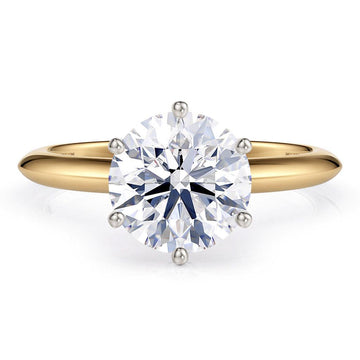
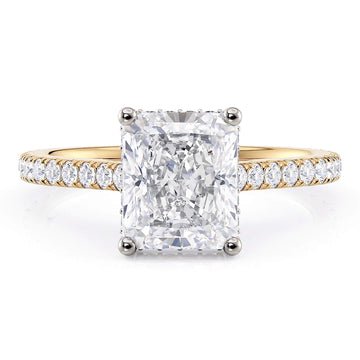
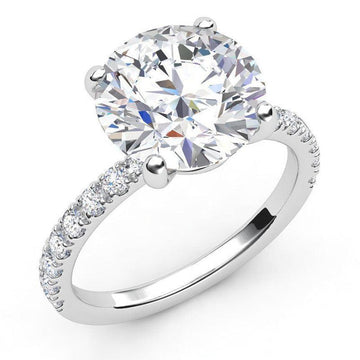
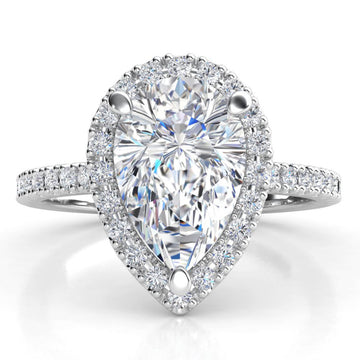
Discover our collection of lab grown diamond engagement rings — featuring diamonds that are chemically, physically, and optically identical to their earth-mined counterparts, at 40–60% less cost for the same size and quality. Each lab grown diamond is IGI certified and created using advanced HPHT (High Pressure High Temperature) or CVD (Chemical Vapour Deposition) technology, delivering the same breathtaking brilliance, fire, and scintillation as a natural diamond. A sustainable and ethical choice, lab grown diamonds allow you to choose a larger, higher-quality stone without compromising on beauty or craftsmanship. Visit our Melbourne showroom to explore our full range and experience the sparkle for yourself.

Showing 13–24 of 64 rings

Showing 12 of 64 rings

Buying Guide

Everything you need to know about lab grown diamond engagement rings.

Lab grown diamonds are real diamonds created in controlled laboratory environments using cutting-edge technology that replicates the natural diamond formation process. The two primary methods — HPHT and CVD — produce diamonds with identical chemical composition, crystal structure, and optical properties to mined diamonds. Our Melbourne gemologists can walk you through the benefits of lab grown diamonds, help you compare options, and ensure your IGI certified stone meets the highest standards of quality.

Read the full guide →
Are lab grown diamonds real diamonds?

Yes — lab grown diamonds are 100% real diamonds with the exact same chemical composition (pure carbon), crystal structure, hardness, and optical properties as natural diamonds. The only difference is their origin: natural diamonds form over billions of years underground, while lab grown diamonds are created in a matter of weeks in a controlled laboratory environment. Leading gemological institutes including IGI certify lab grown diamonds using the same rigorous grading standards applied to natural stones.

What does IGI certification mean for lab grown diamonds?

IGI (International Gemological Institute) certification provides an independent, expert assessment of a lab grown diamond's quality based on the 4Cs — cut, colour, clarity, and carat weight. Each IGI certified diamond comes with a detailed grading report that documents its exact specifications, giving you complete transparency and confidence in your purchase. Every lab grown diamond in our Melbourne showroom carries IGI certification, ensuring you know precisely what you're getting.

What is the difference between HPHT and CVD lab grown diamonds?

HPHT (High Pressure High Temperature) diamonds are created by replicating the intense heat and pressure conditions found deep within the Earth, using a diamond seed and carbon source to grow a full crystal. CVD (Chemical Vapour Deposition) diamonds are grown by introducing carbon-rich gases into a vacuum chamber, where carbon atoms gradually deposit onto a diamond seed layer by layer. Both methods produce genuine diamonds of exceptional quality — the choice between them has no impact on the finished stone's beauty or durability.

How do lab grown diamond prices compare to natural diamonds?

Lab grown diamonds typically cost 40–60% less than natural diamonds of equivalent size, cut, colour, and clarity, allowing you to choose a significantly larger or higher-quality stone for the same budget. This price difference reflects the more efficient production process rather than any difference in the diamond's physical properties or beauty. Many of our Melbourne showroom clients choose lab grown diamonds to maximise the visual impact of their engagement ring without stretching their budget.

Can a jeweller tell the difference between lab grown and natural diamonds?

No — lab grown and natural diamonds are visually identical, and even trained gemologists cannot distinguish between them using standard jewellery tools or the naked eye. Specialised laboratory equipment, such as advanced spectroscopy machines, is required to detect the subtle differences in trace elements and growth patterns that indicate a diamond's origin. This is precisely why independent certification from IGI is so important, as it clearly documents whether a diamond is lab grown or natural.