




How Much Should You Spend on an Engagement Ring in Australia?
A clear, expert guide from the Monroe Yorke Diamonds team.
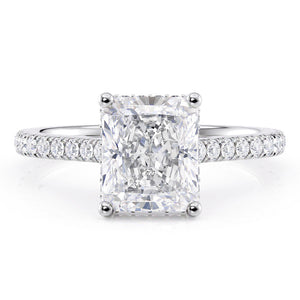
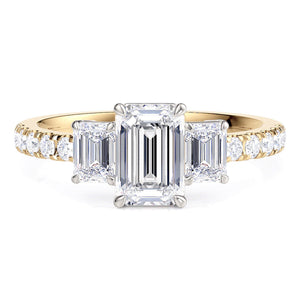
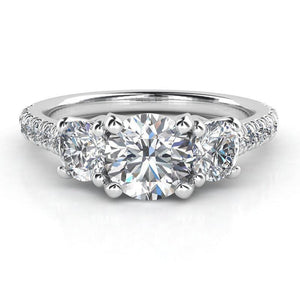
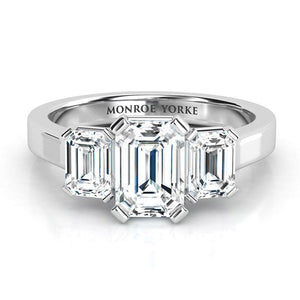
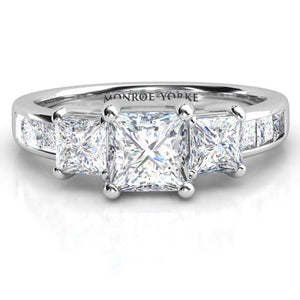
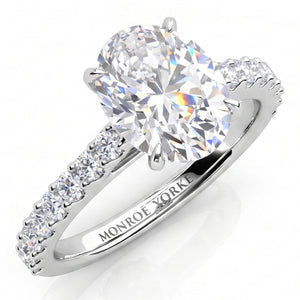
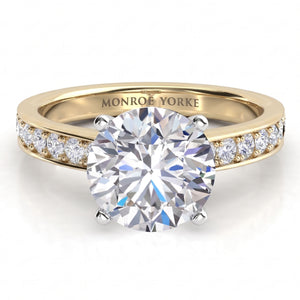
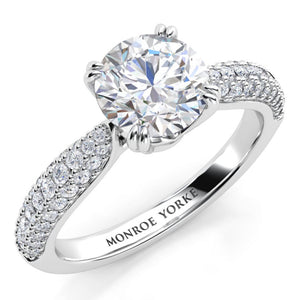
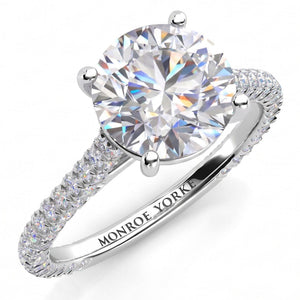
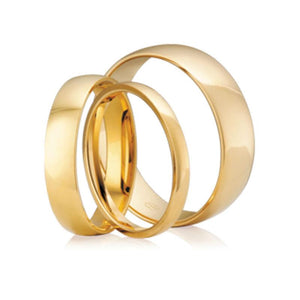
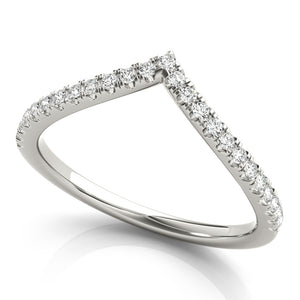
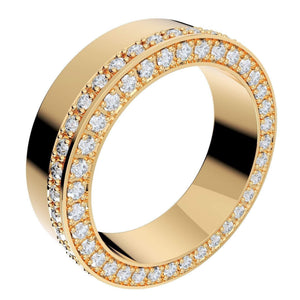

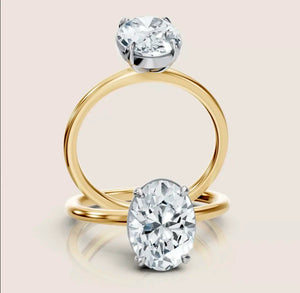
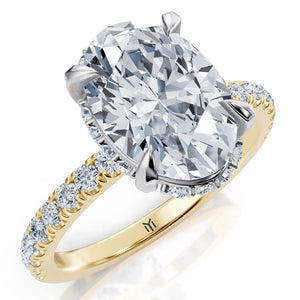
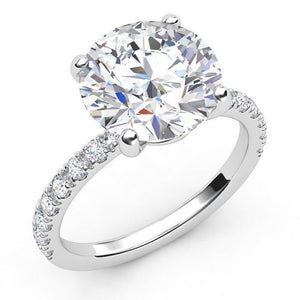
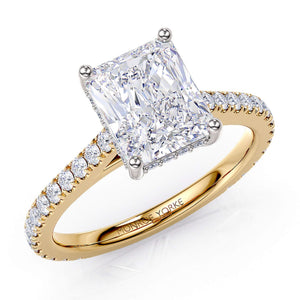
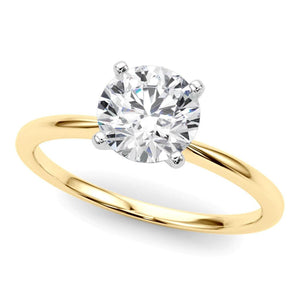
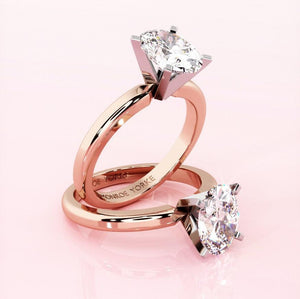
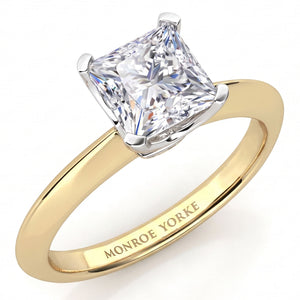
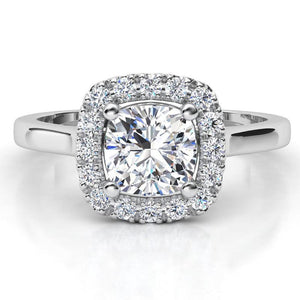
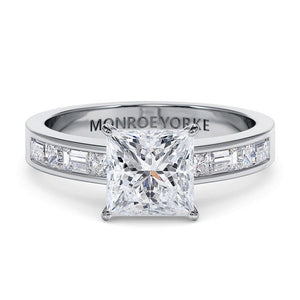
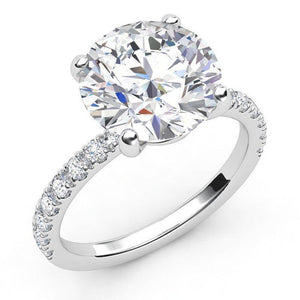
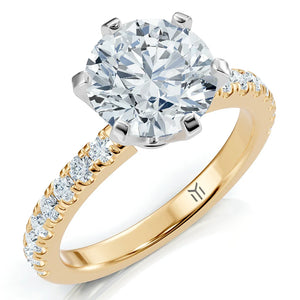
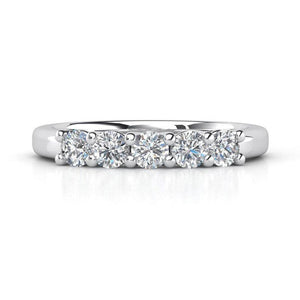
The two-month salary rule has been the default answer to “how much should I spend on an engagement ring” in Australia for as long as most people can remember. The rule has a single origin, and it is not the venerable jewellery tradition most people assume.
It came from a 20th-century De Beers advertising campaign. The phrase was introduced in the 1930s, scaled back during the Second World War when household budgets tightened, then expanded again in the post-war years to two months and later three. The campaign was so successful that the phrase entered the cultural water supply, and three generations of couples have inherited the rule without ever knowing where it came from. The advertising worked, which is exactly what advertising is supposed to do.
The rule has nothing to do with what makes an engagement ring beautiful, well-made, or worth keeping. It is a sales mechanism. It worked very well for the diamond industry.
We’re a jeweller, so we have a stake in this conversation. We are also, after twenty years in fine jewellery, the kind of jeweller that would rather tell you the truth about the rule than profit from it. So here is what to actually spend on an engagement ring in Australia in 2026, what each budget band buys, and the framework we give every couple who asks.
What an engagement ring actually costs in Australia
The Australian engagement ring market splits roughly into four budget bands.
Under $3,000 is usually pre-set rings from chain jewellery stores, often with smaller centre stones (under half a carat) or lab-grown alternatives. Some of these are genuinely good. Many are not. The challenge in this band is finding pieces where the cost has gone into the diamond and the craft rather than the marketing.
$3,000 to $8,000 is where most Australian couples land. This budget buys a real diamond at a meaningful size, in a setting that is either custom-made or a well-built collection piece. Lab-grown stretches this budget significantly further than natural diamond does. Most of our engagement rings fall in this band, including bespoke commissions.
$8,000 to $15,000 is where presence starts to show. A solitaire begins to read as substantial. Halo and three-stone settings come within reach with real centre stones. Most couples in this band have done some research before they walk in, and they tend to know what they want.
$15,000 and above is serious territory. Investment-grade natural diamonds at the upper colour and clarity grades, or larger lab-grown centres set in significant bespoke pieces. Many of our anniversary upgrade clients land here. Most first-engagement rings do not.
The most common spend among Australian couples in 2026 is between $5,000 and $8,000. That number has been roughly stable for a decade in inflation-adjusted terms, despite enormous changes in the diamond market. The number couples should actually spend is a different question.
What actually drives the price
If the two-month rule doesn’t tell you what to spend, what does? Five factors. In rough order of importance.
The diamond itself. Carat weight is the most expensive variable in any engagement ring. Doubling the carat weight typically more than doubles the price, not because larger diamonds are linearly more valuable but because they are exponentially rarer in the rough state cutters work from. The cut grade matters almost as much. A poorly cut two-carat diamond can look dimmer on the hand than a well-cut one-carat. We only source diamonds graded Excellent cut (GIA) or Ideal cut (IGI). It is not a corner we cut.
Natural or lab-grown. A lab-grown diamond is chemically and physically identical to a natural diamond, with the same hardness ranking of 10, the same fire, and the same independent certification through GIA, IGI or HRD. The only difference is origin. The price difference is significant. A lab-grown one-carat stone costs roughly forty to sixty percent of a natural one-carat at the same grade. This is the single biggest lever Australian couples have on their engagement ring budget.
The metal. Eighteen-carat gold is denser per millimetre than nine-carat, so the metal cost on an 18ct ring is meaningfully higher. Platinum is denser still and more difficult to work, which is why platinum settings cost more than gold even at the same gram weight. Most engagement rings sit in 18ct white, yellow or rose gold. We make in all four metals and will talk you through which suits her colouring and which holds up best on her hand.
The setting complexity. A simple four-claw solitaire takes less time to make than a hidden halo with pavé shoulders. The labour cost on a complex bespoke setting can add $1,500 to $4,000 over a similar pre-designed piece. This is rarely wasted money if the design is one you actually love, but it is a deliberate spend.
Certification, warranty, and after-sale service. A reputable jeweller includes independent certification (GIA, IGI or HRD), laser-inscribed certificate numbers on the diamond itself so the stone matches its paperwork verifiably, and a lifetime warranty on the craft. These are not separate line items. They are baked into the price. They are also the difference between buying a ring and buying jewellery.
The honest answer
The honest answer to “how much should I spend on an engagement ring” is whatever feels right and no more.
That sounds like a non-answer, so let me put more behind it. Engagement rings are an emotional purchase wrapped in a financial decision. The financial decision matters because the average Australian couple in their late twenties or early thirties has finite savings, often a deposit goal, sometimes existing debt. The emotional decision matters because the ring will be worn for fifty years.
Here is the framework we give every couple who asks.
If the spend will cause genuine financial stress (delay a property purchase, force credit card debt, prevent honeymoon savings), spend less. There is no correlation between ring cost and marriage quality, and the relief of buying a $4,500 ring you can afford outright is worth more than the marginal beauty of a $9,000 ring on a payment plan.
If the spend is comfortable, choose the ring that will get worn. A $6,000 ring she will wear every day for thirty years is a vastly better purchase than a $14,000 ring she takes off because it catches on things or because she is afraid to wear it.
If the spend is genuinely no object, choose the ring that will be loved. This is what bespoke commissions are for. The right choice is what makes you both happy when you see it.
The “two months salary” rule does not appear in any of these conversations because it has no place in them. The right amount to spend is a function of your financial position, the kind of ring she will actually wear, and whether you both feel good about the decision after the showroom doors close.
How lab-grown changes the maths
Lab-grown diamonds have done more to shift Australian engagement ring budgets in the last five years than any other change in the industry. The maths is straightforward.
A one-carat natural diamond at G colour, VS2 clarity, Excellent cut typically retails in Australia for around $7,500 to $9,000 for the stone alone. The same grade in lab-grown sits at around $3,000 to $4,000.
What this does for couples is open up two options. The first is the size upgrade. The same $9,000 budget that buys a one-carat natural can buy a two-carat lab-grown at the same colour and clarity. The second is the grade upgrade. The same $9,000 can buy a one-carat lab-grown at the very top of the grading scale (D colour, internally flawless) instead of a mid-range natural.
Neither is the “right” answer. A natural diamond carries the romance of having taken billions of years to form, and it tends to hold resale value better. A lab-grown diamond carries the same fire, brilliance and hardness with a modern origin story and a meaningfully lower price. We sell both, and we will talk you through the choice honestly.
Most Australian couples buying their first engagement ring in 2026 are choosing lab-grown for the budget reach. Most couples buying anniversary upgrades or significant second pieces are choosing lab-grown for exactly the same reason. If you have a clear budget, our short advice is this: talk to us about both options in your budget range. Most people are surprised by how much the lab-grown choice unlocks.
Five real budgets, five real rings
The most useful answer to “how much should I spend” is to see what each band actually buys. Five examples from rings we currently make, with the price baked in only as a reference point, the rest of the description what matters.
$3,500. Lab-grown 1.2ct round brilliant solitaire in 18ct white gold. A real diamond, well-cut, set in a hand-finished classical setting. Wears as a serious engagement ring without budget compromise. This is the band where lab-grown does its strongest work, and where chain-store alternatives can’t compete on craft.
$5,500. Natural 0.7ct oval in a hidden halo, 18ct rose gold. Smaller centre stone but the hidden halo adds visible scale, the rose gold reads as romantic and current, and the natural diamond carries the heritage story. Australia’s most popular ring band right now.
$8,000. Natural 1.0ct round brilliant solitaire in platinum. The classical answer. One stone, one metal, no decoration. A ring you will recognise in a century-old photograph and a ring she will still want to wear in fifty years. Worth every dollar at this budget.
$12,000. Lab-grown 2.5ct oval in a three-stone setting, 18ct yellow gold. Serious presence. The lab-grown centre lets you go to a size that would cost three times this much in a natural diamond, and the three-stone setting reads as both classical and substantial. A common anniversary upgrade choice.
$20,000 and above. Bespoke commission. This is where the conversation shifts entirely. Couples in this band have usually thought hard, often have a clear concept, and the ring becomes a personal masterpiece rather than a catalogue choice. We design from a brief, render in 3D, refine, then make. Lead time around six weeks.
The honest close
If you take one thing from this article, take this. The two-month salary rule was an advertising campaign. The right amount to spend on your engagement ring is whatever lets you give her a beautiful ring without financial stress. Lab-grown has fundamentally changed what each budget band can buy. The ring she will love to wear forever is almost never the most expensive option in the showcase.
We have made thousands of rings in twenty years. Our advice when couples ask “how much should we spend” is always to start with the budget that feels comfortable and work from there. We will show you what is actually achievable in that range, in both lab-grown and natural, and the honest trade-offs. We do not push toward more expensive options.
If you would like to talk this through privately, book a 15-minute discovery call. We will send you a personalised shortlist of three or four rings in your budget before any meeting, so when we do speak you can react to actual designs rather than abstract ideas. There is no obligation to proceed and we are not in a hurry.
The jewellery your special moments deserve is not the most expensive jewellery in the showcase. It is the ring that fits her, fits your life, and that she will reach for every morning for the rest of her life.
Common questions about engagement ring cost in Australia
What is the average cost of an engagement ring in Australia?
Most Australian couples spend between $5,000 and $8,000 on an engagement ring. The full market ranges from around $3,000 for entry-level pieces to $15,000 or more for significant centre stones or bespoke commissions. Lab-grown diamonds have made the $5,000 to $8,000 band considerably more powerful in the last five years.
Is the “two months salary” rule real?
No. The rule originated in a 20th-century De Beers advertising campaign, not in jewellery tradition. There is no correlation between ring cost and marriage quality, and no industry body endorses the rule. It is best treated as marketing folklore.
Should I buy a lab-grown or natural diamond?
Both are real diamonds. A lab-grown stone at the same grade typically costs forty to sixty percent of an equivalent natural diamond, which lets the same budget reach a larger or higher-grade centre. Natural diamonds carry the romance of geological age and tend to hold resale value better. Either way the answer is a real diamond.
How much does a one-carat diamond engagement ring cost in Australia?
A one-carat natural diamond at G colour, VS2 clarity, Excellent cut typically retails in Australia for around $7,500 to $9,000 for the stone alone. The same grade in lab-grown sits at around $3,000 to $4,000. The setting adds between $1,500 and $4,000 depending on metal and complexity.
What if my budget is under $5,000?
Lab-grown is the strongest choice in this band. A $5,000 budget can buy a 1.0ct to 1.5ct lab-grown solitaire at very good colour and clarity, in a hand-made 18ct gold setting. The same budget in natural diamond typically buys a 0.5ct to 0.7ct centre, also beautiful but smaller. Talk to us before deciding.
Explore the collection. Engagement Rings, Made in Australia
Talk to a Monroe Yorke specialist. Book a 15-minute discovery call
Written & reviewed by the Monroe Yorke Diamonds team
We have spent 20 years helping Australians choose diamonds, with appointment-only studios in Sydney, Melbourne, Brisbane and Perth.
Frequently asked questions
Ready to find your ring?
Browse the collection, or book a private appointment and let our specialists guide you.
 Cost Guides
15 Jun 2026
How to Buy a Solid Gold Chain in Australia: An Honest Buyer's Guide
A gold chain is the most-worn piece of fine jewellery and one of the most poorly chosen. Our founder breaks...
 Buying Guide
03 Jun 2026
Diamond Quality Facts
Every diamond is unique. This is a beautiful fact about the most exquisite mineral in the world. They are not...


